Adding a gas appliance can improve comfort, efficiency, and convenience in your home, but the process involves more than connecting a new line and turning on the fuel. In the Dallas–Fort Worth area, proper gas line sizing, local permit requirements, and safety considerations all play a role in a successful installation. Whether you plan to add a gas stove, water heater, fireplace, or outdoor grill connection, understanding the basics helps you avoid costly mistakes and protect your home.
Why Gas Line Planning Matters Before Installation
Natural gas appliances rely on consistent fuel delivery. With an undersized or poorly configured line, appliances may struggle to operate correctly. You might notice weak flames, inconsistent heating, or delayed ignition. These issues can also create safety risks in your home and increase wear on the appliance.
Adding a new appliance changes the demand on your home’s gas system. A line that once supported a furnace and water heater may not have enough capacity to handle an additional range or outdoor kitchen. Planning ensures the system can support the new load without compromising performance.
Understanding Gas Line Sizing
Gas line sizing determines how much fuel can travel through the piping to each appliance. Our team will calculate size based on several factors, including total appliance demand, pipe length, pressure levels, and the number of connections in the system. If a line is too small, appliances may receive insufficient gas flow. If oversized without proper pressure control, performance issues and inefficiencies can occur. Correct sizing balances delivery and safety, ensuring each appliance operates as intended.
In many DFW homes, older piping systems were not designed for several gas-powered appliances. Adding modern equipment often requires upgrading sections of the gas line to meet current demand.
Common Appliances That Require Gas Line Upgrades
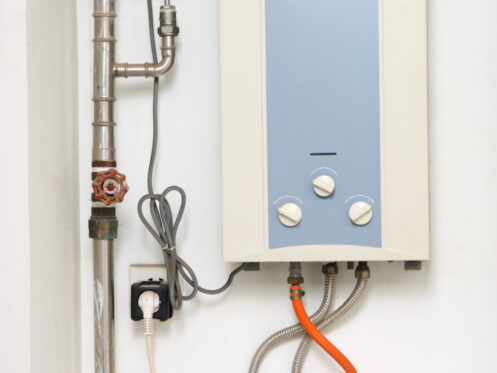
Homeowners frequently add gas appliances to improve energy efficiency or enhance daily living. New installations may include tankless water heaters, gas cooktops, fireplaces, outdoor grills, or standby generators. Each addition changes the total load on the system. Even replacing an existing appliance can require adjustments. New models sometimes have higher performance ratings, which increases gas demand. A professional evaluation confirms whether the current piping can support the upgrade or if modifications are necessary.
Permit Requirements in the DFW Area
Local municipalities in the Dallas–Fort Worth region require permits for most gas line installations and modifications. These regulations exist to protect you and ensure that work complies with safety codes. Permits typically involve submitting project details, obtaining approval before work begins, and scheduling inspections after installation. Inspectors will then be able to verify proper connections, pressure levels, and code compliance.
Skipping permits may seem faster, but it can lead to fines, insurance complications, and safety concerns. Proper documentation also helps when selling your home, as buyers often request proof that gas work meets local standards.
Safety Basics for Gas Appliance Installations
Safety plays a central role in any gas line project. Proper installation prevents leaks, ensures stable pressure, and protects against fire hazards. Professionals test connections thoroughly before activating the system and confirm that ventilation and combustion requirements meet manufacturer guidelines.
Gas appliances must receive adequate airflow and proper venting to operate safely. Poor ventilation can lead to carbon monoxide buildup, which can be a serious health risk for you and your family. Our certified technicians understand how to install equipment to support safe combustion and exhaust. Routine inspections also help identify corrosion, loose fittings, or aging components that may require attention before adding new appliances.
Signs Your Existing Gas Line Needs Evaluation
Before installing a new appliance, watch for signs that your current gas system may need an upgrade. Weak burner flames, inconsistent heating, or unusual odors near connections may indicate pressure or leak issues. Older homes often have piping that no longer meets modern demand. High appliance usage can also reveal limitations. If your furnace struggles when other gas appliances operate simultaneously, the system may lack capacity. A professional inspection identifies these problems and prevents complications during installation.
The Role of Pressure Testing and Leak Detection
After installing or changing a gas line, we perform pressure testing to confirm the system holds fuel safely. This step helps ensure that connections remain secure and no leaks exist before activating the appliance. Leak detection involves specialized equipment that identifies even minor gas escapes. Early detection prevents dangerous buildup and protects the home from fire hazards.
Choosing the Right Materials for Gas Lines
Gas lines can consist of several materials, including black iron pipe, corrugated stainless steel tubing, and polyethylene piping for outdoor runs. The choice depends on installation location, code requirements, and appliance needs. Each type of material offers different benefits. Some provide flexibility for tight spaces, while others offer durability for long-term performance. Our team will evaluate the project and select materials that meet safety standards and support reliable gas delivery.
Outdoor Gas Appliances and Additional Considerations
Outdoor kitchens, fire pits, and grill connections have become popular in DFW homes. These installations require careful planning to ensure safe fuel delivery and weather resistance. Lines must withstand temperature changes, moisture, and physical exposure. We will also consider placement. Outdoor appliances should remain far enough from structures and ignition sources to reduce fire risks. Secure connections and protective coverings help maintain performance and safety.
Why Professional Installation Matters
Gas line work requires specialized training, licensing, and knowledge of local codes. Our professional installers understand how to size lines correctly, obtain permits, and test systems thoroughly before activation. DIY installations tend to overlook these types of details, such as pressure regulation, ventilation requirements, and load calculations. These oversights can lead to appliance malfunctions, gas leaks, and other safety hazards.
Long-Term Benefits of Proper Gas Line Installation
A well-designed gas system supports reliable appliance performance and extends equipment lifespan. Proper fuel delivery reduces strain on components, which helps appliances operate efficiently. You will also gain flexibility. A correctly sized system allows future appliance additions without major modifications. This planning supports long-term upgrades and keeps the home adaptable. Safety improvements represent another key benefit. Professional installations reduce leak risks and provide confidence that the system meets current building codes.
When to Schedule an Evaluation
Consider scheduling a gas line evaluation before installing any new appliance, replacing older equipment, or planning a renovation. Early planning prevents delays, supports permit approval, and ensures your home can handle the additional demand. Homes with older piping systems benefit from inspections even without immediate upgrades. Identifying potential issues early helps avoid emergencies and supports proactive maintenance.
Preparing for a Gas Appliance Addition
Adding a gas appliance requires coordination between you as the homeowner, contractors, and local inspectors. Gathering appliance specifications, reviewing system capacity, and planning the installation timeline helps streamline the process. Working with our team ensures that each step aligns with safety guidelines and local regulations. From sizing and permits to final testing, every detail contributes to a successful installation.
Build Confidence With the Right Approach
Adding a gas appliance offers convenience and efficiency, but it requires careful planning and expert installation. Gas line sizing, permits, and safety measures all protect your home and ensure reliable performance. Cody & Sons Plumbing, Heating & Air is a reliable, family-run business that has provided heating, cooling, and plumbing services to the Dallas area since 1969. Contact us today for a consultation.