
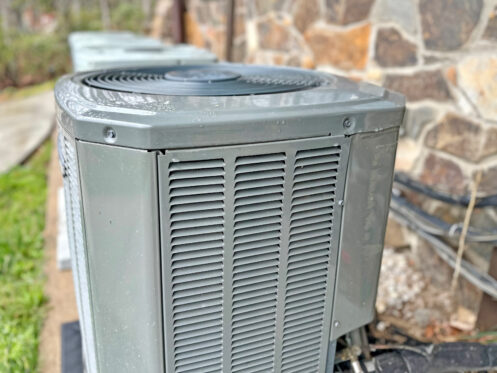
Air conditioning and heat pump systems across the Dallas–Fort Worth area are entering a major transition. Beginning in 2025 and continuing into 2026, HVAC manufacturers are phasing in new refrigerants designed to improve efficiency and reduce environmental impact. If you plan to replace your AC or heat pump soon, this shift will directly affect the equipment available, installation costs, and long-term maintenance.
Why the Refrigerant Transition Is Happening
The HVAC industry periodically updates refrigerants to meet environmental and safety standards. The industry phased out older refrigerants such as R-22 years ago because they contributed to ozone depletion. More recently, R-410A became the standard, but it carries a higher global warming potential than newer alternatives.
The next generation of refrigerants focuses on reducing environmental impact while maintaining strong cooling performance. Federal regulations now push manufacturers toward lower-GWP refrigerants such as R-32 and R-454B. These options deliver similar or improved efficiency while aligning with long-term climate and energy goals. Equipment built with older refrigerants will gradually disappear, and new systems will rely on updated technology.
What Changes in 2026 for AC and Heat Pump Systems
Starting in 2025 and expanding through 2026, most newly manufactured residential air conditioners and heat pumps will use the new refrigerants. Contractors in DFW will begin installing these systems more frequently as inventory shifts. You may notice several practical differences during the transition. Equipment design will evolve to meet safety standards.
Installation practices may change slightly. Replacement decisions may require more planning because parts and refrigerants will not remain interchangeable across generations. Older systems will still operate. You do not need to replace your unit simply because new refrigerants exist. However, the transition influences repair costs, replacement planning, and long-term availability of parts.
How Transition Affects Replacement Timing
As a homeowner, you may wonder whether you should replace your system now or wait until the transition occurs. The answer depends on your equipment condition and comfort needs. If your system runs reliably, you can continue using it. Regular maintenance helps extend performance regardless of refrigerant type. If your system approaches the end of its lifespan, replacing it sooner may avoid rising repair costs and unexpected failures.
Some homeowners prefer installing systems built on proven R-410A technology before the full transition. Others want to invest in newer refrigerant systems designed for future standards. Both options are good, but the best choice depends on your budget and long-term plans.
Costs and Equipment Availability
Refrigerant transitions often influence pricing during the early years. New technology requires updated manufacturing processes, training, and equipment design. These factors may increase upfront installation costs slightly compared to older models. Over time, prices usually stabilize as production expands and technicians gain experience. Availability may vary during the transition, especially for certain brands or system sizes. Planning ahead reduces the chance of delays when you need replacement equipment quickly.
Performance and Efficiency Expectations
The new refrigerants aim to maintain strong cooling performance while improving efficiency and environmental impact. You should not expect weak cooling simply because the refrigerant changed.
In many cases, manufacturers pair new refrigerants with upgraded system designs, improved compressors, and advanced controls. These updates help air conditioners and heat pumps operate more efficiently and manage humidity better, which matters in the DFW climate. A properly sized and installed system still makes the biggest difference. Efficiency depends on installation quality, airflow, duct design, and maintenance habits just as much as refrigerant type.
Heat Pumps and the Refrigerant Shift
Heat pumps play a growing role in residential HVAC systems, especially as homeowners look for energy-efficient alternatives to traditional heating and cooling. The refrigerant transition affects heat pumps just as much as air conditioners. New heat pump models designed for updated refrigerants will continue improving cold-weather performance, humidity control, and energy efficiency. In Dallas, where winters remain relatively mild, heat pumps already offer strong performance. The new generation will likely expand their appeal.
Repair Considerations for Existing Systems
If your current system uses R-410A, repairs will remain possible. Technicians will continue servicing these units for years. However, refrigerant pricing and part availability may shift gradually as the industry moves forward. Systems that experience major component failures may reach a point where replacement makes more sense than repair. The refrigerant transition may accelerate that decision. Routine maintenance helps delay those choices by keeping systems efficient and reducing the strain on components.
Safety and Installation Differences
New refrigerants require updated handling practices. While still safe for residential use, they follow different guidelines for storage, transport, and installation. We receive training to ensure safe and proper installation. You should not notice major changes in daily operation. The system will cool your home, manage airflow, and maintain comfort just like previous models. The differences mostly affect installation and service procedures behind the scenes. Working with our trained professionals ensures your system meets code requirements and operates safely.
Planning Ahead for DFW Homeowners
Dallas summers place heavy demands on cooling systems. Waiting until extreme heat arrives often leads to rushed decisions. The refrigerant transition adds another layer of planning to consider. You will benefit from evaluating system age, repair history, and energy costs before deciding. A system older than 12 to 15 years may approach replacement territory regardless of refrigerant changes. High energy bills, uneven cooling, and frequent repairs often signal the same.
Environmental and Long-Term Benefits
The shift toward lower-GWP refrigerants supports long-term environmental goals. These systems aim to reduce greenhouse gas emissions while maintaining strong cooling performance. You will also benefit from improved efficiency, modern controls, and equipment designed for future standards. While the transition may feel complex, it positions your HVAC system for long-term reliability and sustainability. Investing in a system aligned with upcoming regulations helps avoid compatibility concerns later.
Should You Replace Now or Wait?
The right timing depends on your system condition and household needs. Replace sooner if your current system struggles, breaks down frequently, or drives up energy costs. Waiting may increase repair expenses and discomfort during the summer. Wait if your equipment performs well and maintenance keeps it efficient. Monitoring the transition allows you to explore new options without pressure.
What to Expect When Replacing Your System
Replacing an AC or heat pump during the refrigerant transition involves more planning but follows familiar steps. We assess your home’s cooling load, ductwork, and airflow. Our team can also recommend system sizes and models that match your comfort needs. You may choose between current R-410A systems still available or newer models designed for next-generation refrigerants. Installation timelines may vary based on inventory and demand.
Preparing for the Future of Cooling in DFW
The 2026 refrigerant transition marks a significant shift for air conditioning and heat pump systems across Dallas–Fort Worth. While the changes may seem technical, they ultimately support improved efficiency, environmental responsibility, and long-term equipment performance. At Cody & Sons Plumbing, Heating & Air, we have been a premier heating and cooling company in the Dallas, TX area since 1969. If you are considering a replacement soon, contact us today.